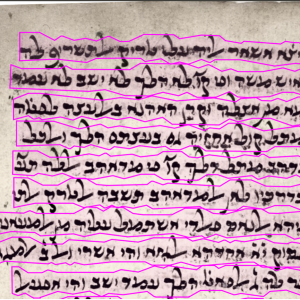
Manuscripts are a fascinating part of the material culture that we, as philologists, rely on to reconstruct texts and understand the cultures and communities that produced them. Textual scholarship has come a long way, opening up new ways to engage with these texts and draw fresh insights from the cultures that transmitted them. But manuscripts are tricky things to work with: scripts, scribal conventions, and letter forms, not to mention damage or erasure, all leave the scholar making editorial decisions at every step in the work. When a text survives in ...
At The Ohio State University, the study of ancient Northwest Semitic languages has moved out of the textbook and into the digital laboratory of epigraphic training. The recent graduate-led project on the Karatepe Inscription (KAI 26) serves as a prime example of how DEAPS (Digital Epigraphy and Archaeology Project) is redefining the pedagogical landscape for the 21st century, while simultaneously contributing a robust research environment for serious scholarship. Students in the Phoenician class at OSU have made available the first digital and free edition of the inscription of Azitiwada from ...
For those wondering what DLATO is and how DEAPS works, please view this recent lecture given to the Center for AI & Data Science at Tel Aviv University on January 19, 2026.
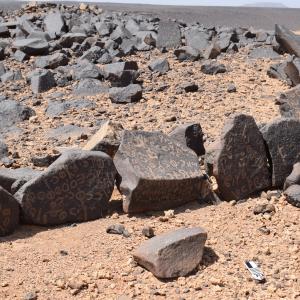
OCIANA is the world’s premier database for the epigraphic heritage of pre-Islamic Arabia. It includes inscriptions spanning from Oman to the Syrian desert, boasting at present over 45,000 records, with tens of thousands of unpublished texts awaiting entry. Each complete record presents photographs of the inscriptions as well as scholarly readings, translations, and commentaries that situate the inscription in its linguistic, cultural, and historical context. The cards include metadata for each epigraph, as well as precise GIS information available for researchers. OCIANA is an on-going work in ...
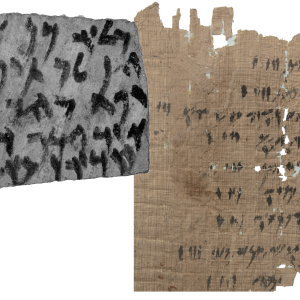
Our DEAPS website is currently in beta and will be live soon! The site's objective is to present digital editions of all Aramaic and Phoenician sources. We are starting with the Achaemenid Period, as the data derives from James D. Moore’s research database, which served as the model for the DLATO core database. DEAPS offers multiple editions and translations in parallel windows, along with an apparatus that provides lexical, grammatical, and bibliographic information. The site also includes metadata for each textual object, as well as a map-based search feature. We invite users to send ...